Choosing the Right Heat Exchanger: A Complete Thermal Optimization Guide
- 2026.10.02
- TONY WEN / FLYING TIGER KJ CO., LTD.
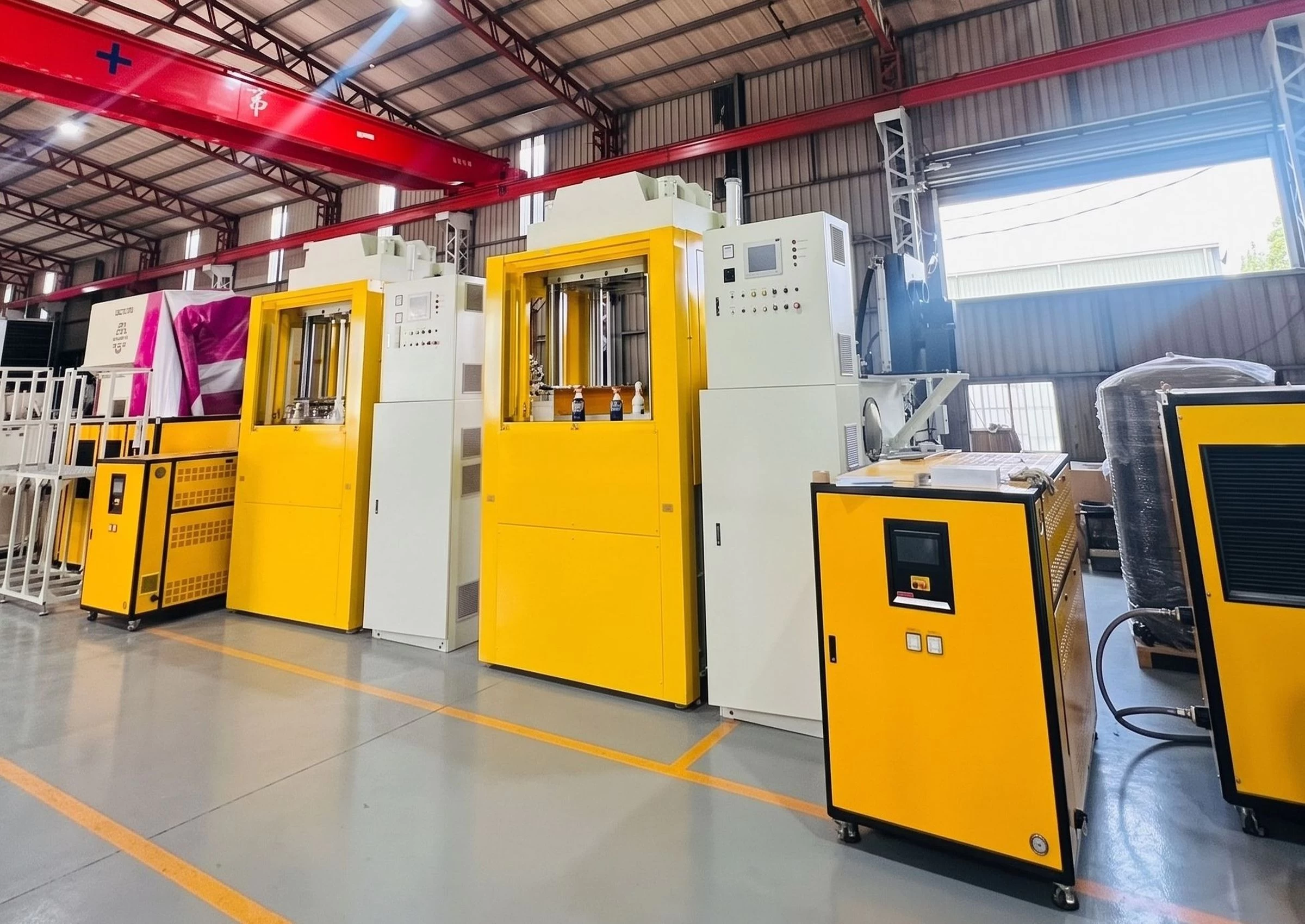
In an industrial plant, poor heat management can raise costs, reduce stability, and affect line performance. That's why choosing the right industrial heat exchanger is key to working more efficiently.
In this guide, we review the main types of heat exchangers, their uses, and the basic criteria for choosing a thermal solution tailored to each project.
What Is an Industrial Heat Exchanger?
An industrial heat exchanger is a piece of equipment designed to transfer heat between two fluids, typically separated by a wall or internal barrier, without them mixing. It's used to heat, cool, or stabilize production processes that require precise thermal control.
Its main functions include recovering thermal energy, protecting sensitive equipment, and maintaining stable operating conditions. That's why it's used in chemical plants, refineries, the plastics industry, and other lines where temperature directly affects product quality, energy consumption, and operating costs.
Types of Industrial Heat Exchangers
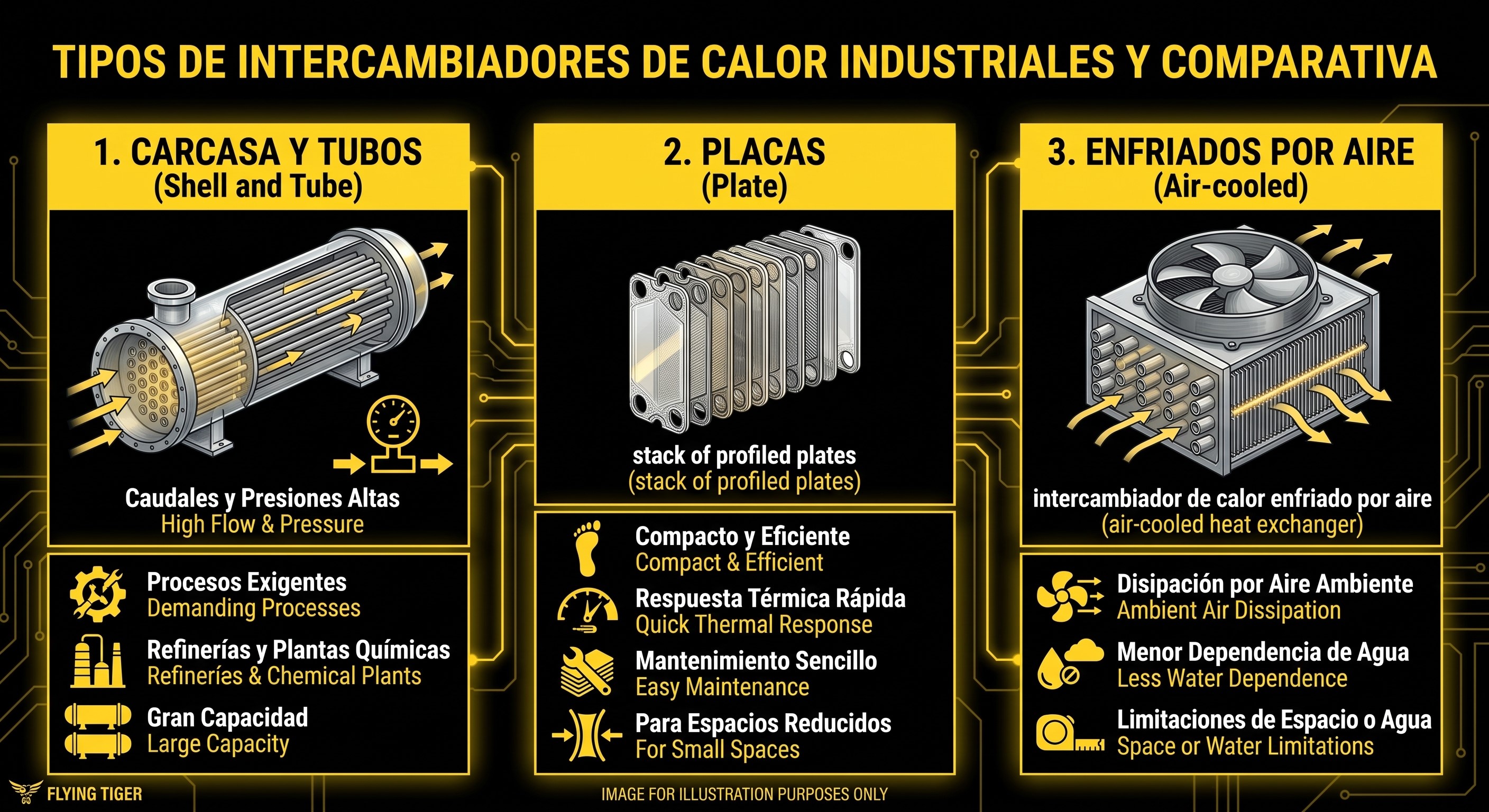
The types of heat exchangers are chosen based on the process, available space, and how heat needs to be transferred. In industrial applications, the most common designs are:
- Shell-and-tube: suitable for high flow rates, elevated pressures, and demanding processes. They're frequently used in refineries, chemical plants, and large-capacity systems.
- Plate: compact and efficient for transferring heat in limited spaces. They're a good option when a fast thermal response and simple maintenance are needed.
- Air-cooled: dissipate heat using ambient air, reducing dependence on water. They work well in plants with space limitations or lower water availability.
- Other designs: include solutions for viscous fluids, high temperatures, corrosive processes, or applications that require frequent cleaning.
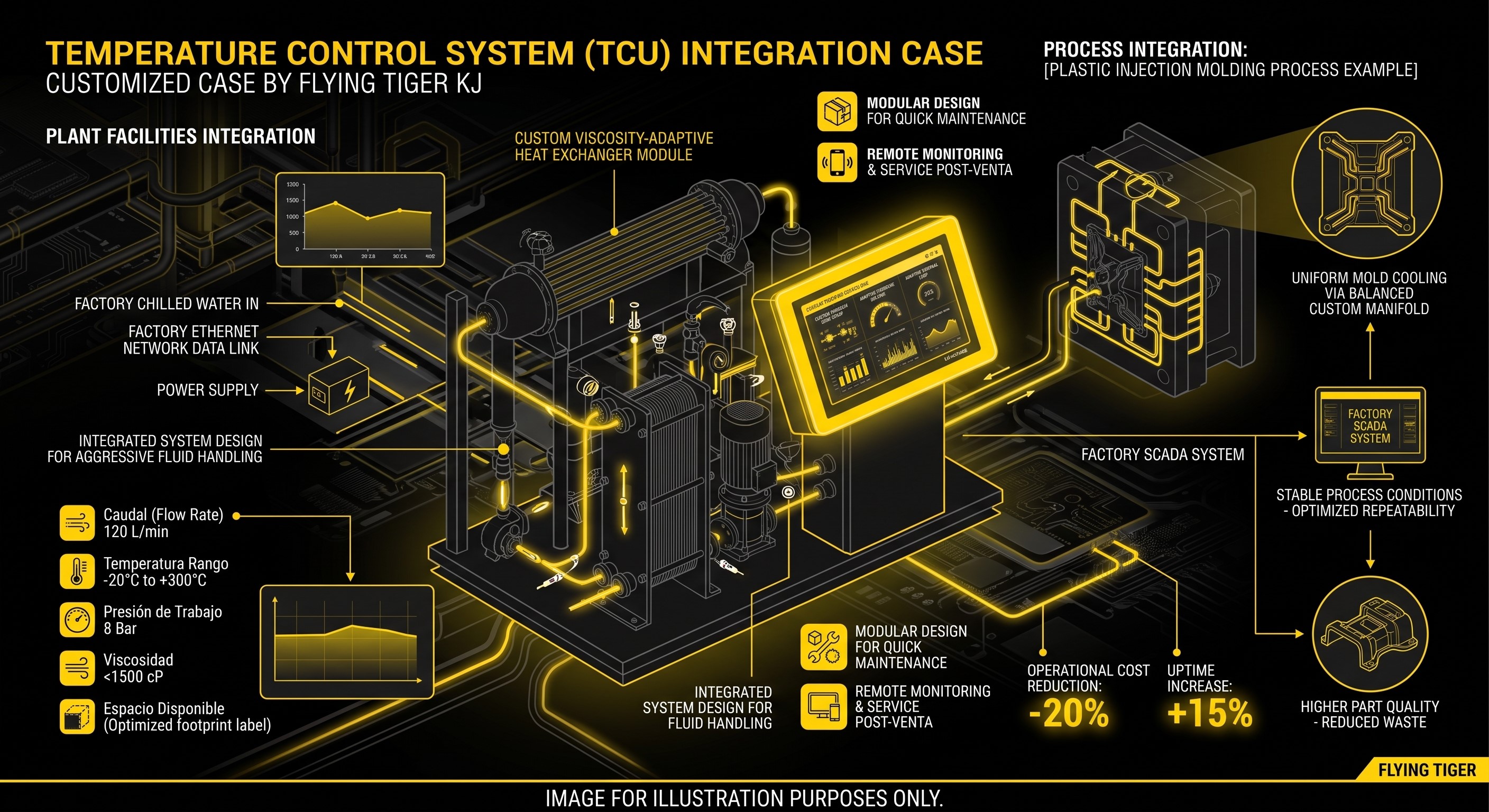
In many projects, the heat exchanger doesn't work as an isolated component. It's often the thermal core of larger equipment, such as chillers and mold temperature controllers, where it helps maintain stable cooling or heating conditions.
Related reading: Industrial Dryers for Plastic: 4 Types and How to Choose the Right One
How to Choose the Best Equipment for Your Project
Choosing the right equipment depends on the actual working conditions, not just the model or capacity listed on the spec sheet. Before defining a solution, it's worth reviewing these factors:
- Flow rate: indicates the amount of fluid that will pass through the system and helps define the equipment's size.
- Temperature: allows you to calculate the necessary thermal load and the process's operating range.
- Working pressure: determines the level of resistance the equipment must withstand during operation.
- Viscosity: affects fluid circulation and heat exchange efficiency.
- Available space: shapes the design, installation, and access for maintenance.
Initial investment shouldn't be the only criterion. In a plant, it's also worth considering ease of maintenance and the supplier's ability to offer fast after-sales service, since an unplanned shutdown can directly affect production.
Beyond the Component: The Importance of System Integration
Buying a heat exchanger as an isolated part doesn't always solve a factory's actual cooling or heating needs. In many cases, performance depends on how well the equipment integrates with the flow rate, temperature, available space, and working conditions of each process.
That's why it's worth approaching the project as a complete thermal solution, not just the purchase of a single component. Flying Tiger KJ offers temperature control equipment with high customization capability and tailor-made system design, adapted to the working environment and the specific conditions of each customer.
Contact us today for personalized technical guidance. Discover how our custom temperature control solutions can reduce your operating costs and take your production to the next level.
Related reading: What Is Thermal Efficiency? A Guide to Optimizing Plastics Processing
Frequently Asked Questions (FAQ)
Related reading:
Plastic Injection and Blow Molding: The Process and Applications
Air-Cooled vs. Water-Cooled Chillers: Differences, Advantages, and Disadvantages


Back