What Is Thermal Efficiency? A Guide to Optimizing Plastics Processing
- 2026.09.18
- TONY WEN / FLYING TIGER KJ CO., LTD.
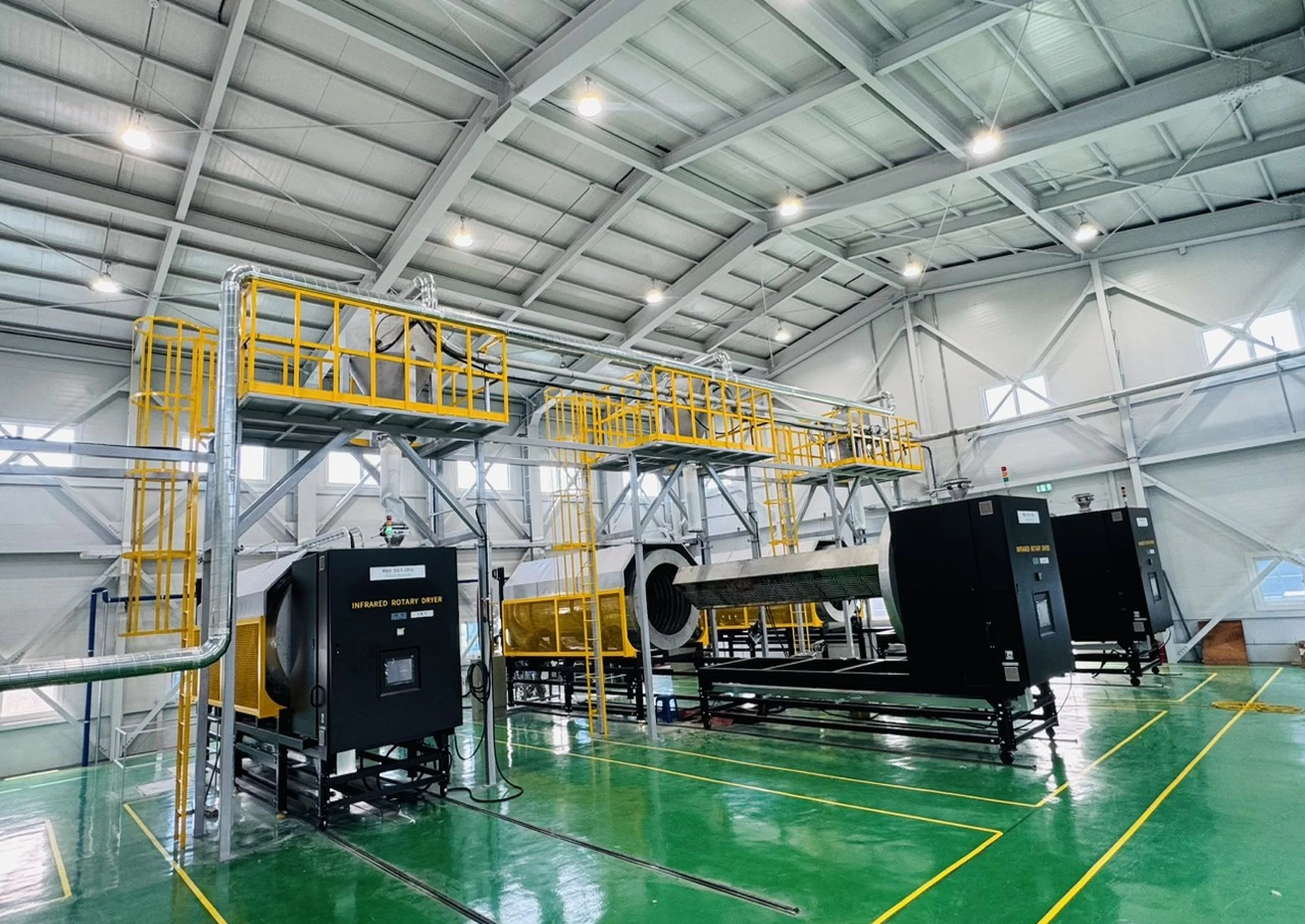
In a plastics processing plant, heat represents energy, time, and cost. That's why understanding thermal efficiency helps determine whether the energy used by a machine is being properly harnessed or lost as waste heat.
In this guide, we'll look at how it's calculated, why it can never reach 100%, and how to optimize it in processes such as injection molding, extrusion, drying, and PET crystallization.
What Is Thermal Efficiency in Practice?
A heat engine is a device that operates in a thermodynamic cycle, receiving heat from a high-temperature source, performing net work, and rejecting waste heat to a low-temperature sink.
In a plastics plant, generating heat isn't enough. What matters is knowing how much of that heat is actually converted into useful work. In practice, that useful work can mean keeping a mold's temperature stable, heating an extrusion barrel, or drying resin. If heat dissipates excessively into the environment, efficiency drops and the plant ends up consuming more electricity or fuel to maintain production.
Low thermal efficiency isn't just a technical problem; it represents higher operating costs, a larger carbon footprint, and reduced competitiveness in the market.
The Math Behind Performance: How Is It Calculated?
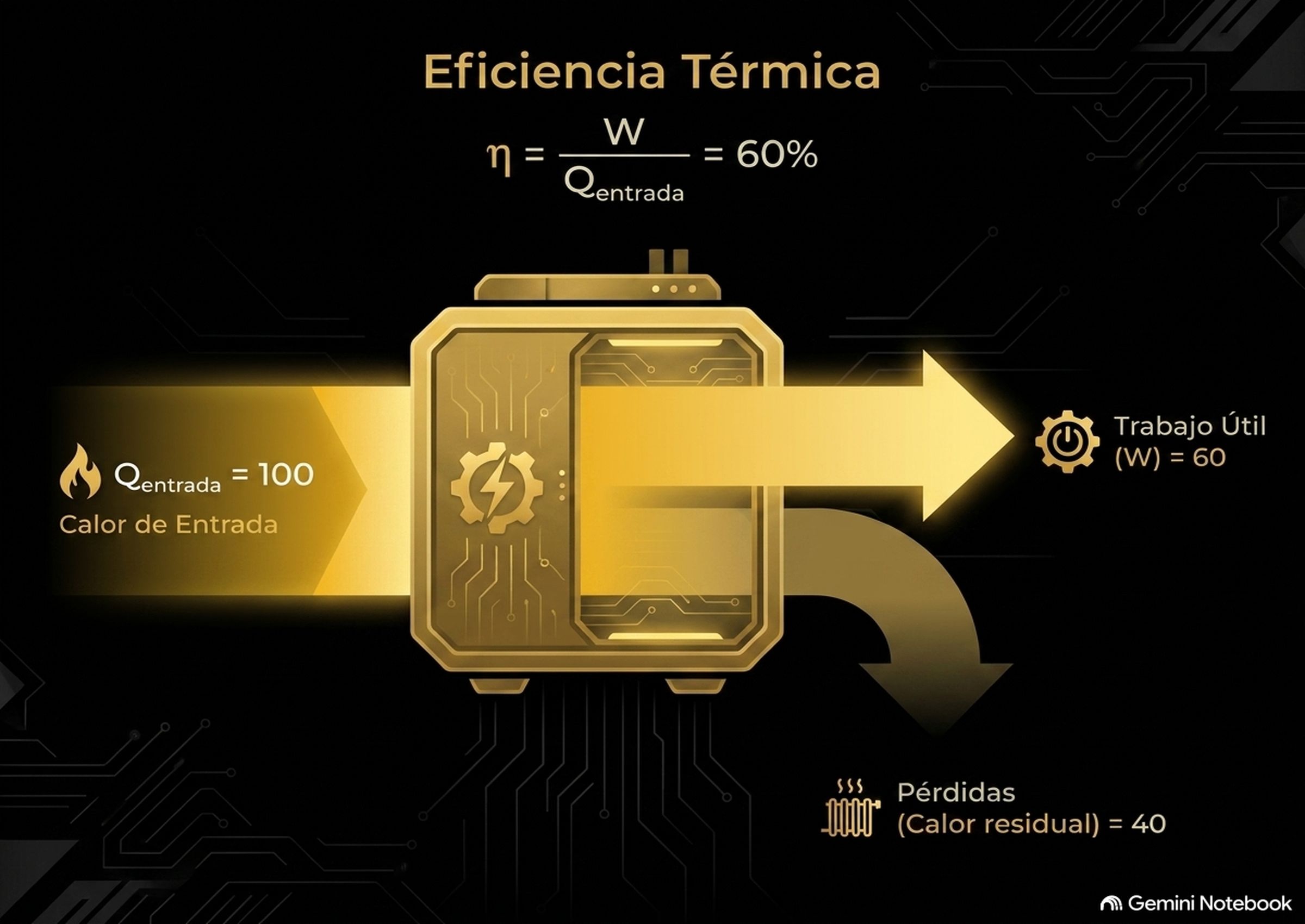
To evaluate a machine's performance, the following fundamental formula is used:
η = W / Q input
In this formula, η represents thermal efficiency, W is the useful work generated, and Q input is the heat entering the system.
For example, if a machine receives 100 units of heat and only 60 are used within the process, its thermal efficiency would be 60%. The rest doesn't disappear: it's lost as waste heat, dissipated into the environment, or tied up in friction and internal losses.
In an industrial plant, this reading helps identify whether equipment is efficiently harnessing thermal energy or whether a significant portion of heat is being lost during the process. In plastics processing, this difference can translate into lower energy consumption, more stable cycles, and more profitable operations.
Related reading: Air-Cooled vs. Water-Cooled Chillers: Differences, Advantages, Disadvantages
Why Doesn't 100% Efficiency Exist?
No matter how well a system is designed, no real machine can convert all the heat it receives into useful work. This is dictated by the Second Law of Thermodynamics and is clearly explained through two key statements:
Kelvin-Planck Statement: No heat engine can have a thermal efficiency of 100%, since the working fluid must exchange heat with the environment to complete the cycle.
Clausius Statement: A heat engine must exchange heat with a low-temperature sink, as well as with a high-temperature source, in order to keep operating.
In industry, these losses aren't abstract. They can appear due to mechanical friction, heat leaks, temperature variations in the surrounding environment, or radiation in poorly insulated equipment. Each of these conditions reduces system performance and increases the energy effort required to maintain operation.
That's why improving thermal efficiency doesn't mean chasing an impossible 100%. The goal is to reduce losses, optimize heat transfer, and use energy more intelligently throughout the production process.
Related reading: Types of Heat Exchangers: A Thermal Optimization Guide
Thermal Efficiency in Plastics Manufacturing
In plastics manufacturing, many energy losses don't come solely from the main machine, but from how heat is controlled and transferred throughout the process. The problem is that many plants know their production, consumption, and rejection levels, but don't always detect exactly where in the process thermal efficiency is being lost.
In processes such as injection molding and extrusion, these are two key areas to review:
Precise Temperature Control (PID)
In plastic injection molding, unstable mold temperature control can lead to higher energy consumption and more defective parts. If the mold doesn't maintain a constant temperature, the system works with constant corrections, which affects cycle stability and final quality.
A PID control helps fine-tune the heating or cooling response with greater precision. This allows for more stable mold conditions and improved heat transfer during the process. In practice, a more stable temperature can help reduce cycle time.
PET Drying and Crystallization
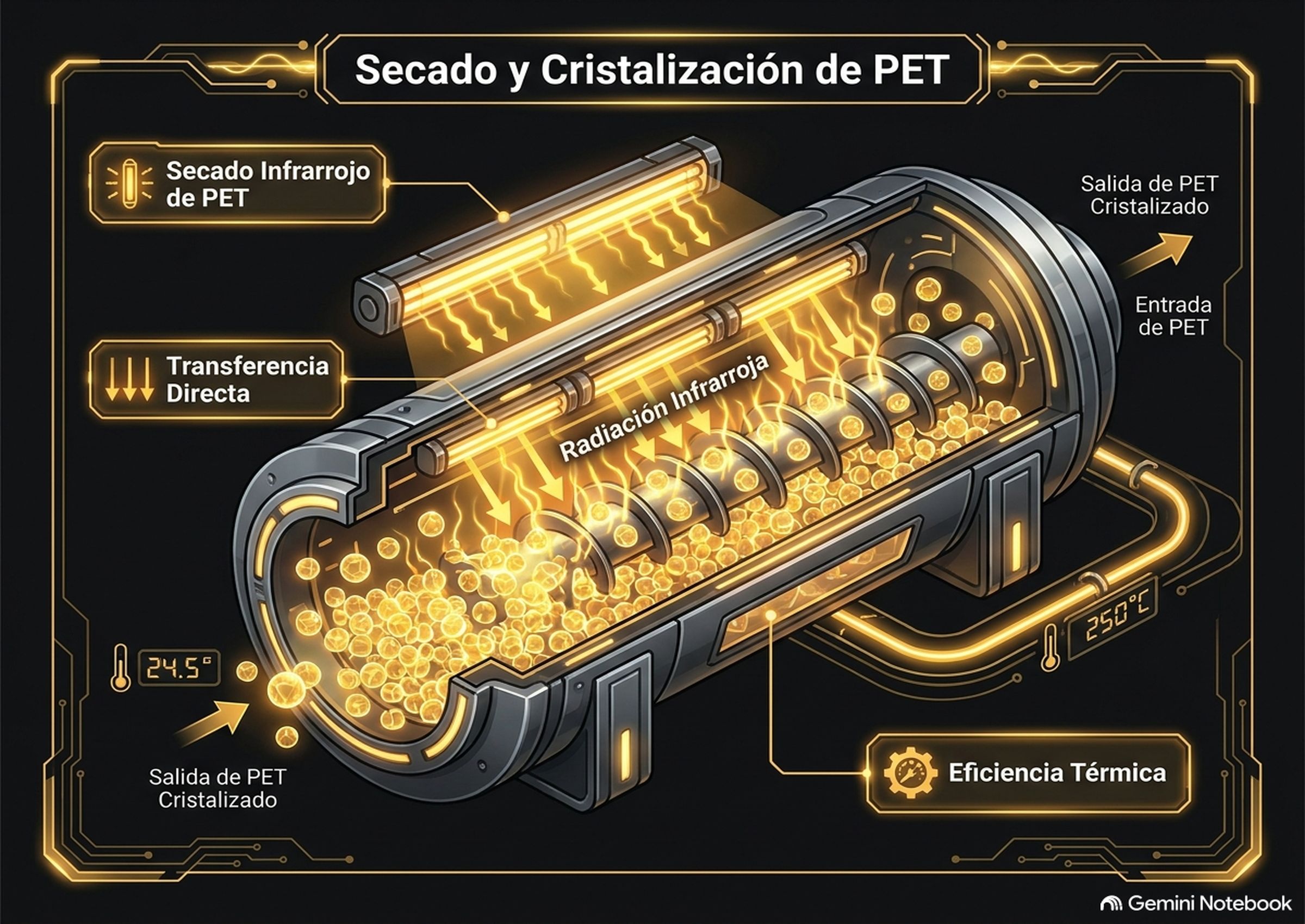
For materials like PET, pre-processing also affects thermal efficiency. Inefficient drying or crystallization can extend pre-production time and increase energy consumption before the material even reaches the machine.
Infrared drying allows heat to be transferred more directly to the material, which can reduce processing time compared to conventional methods. For the plant, this means less waiting, better energy utilization, and operations more aligned with ESG goals, such as reducing electricity consumption and carbon footprint.
Optimize Your Plant with Flying Tiger KJ Technology
To improve thermal efficiency consistently, a factory needs equipment capable of controlling, cooling, and stabilizing the process with precision. This is where Flying Tiger KJ stands out as a recommended solution for companies looking to reduce heat losses, improve production quality, and optimize energy consumption.
Temperature Controllers and Chillers
Flying Tiger KJ's temperature controllers and chillers are designed to maintain stable thermal control throughout production. Thanks to high-precision PID control, they allow for more accurate mold temperature regulation and prevent variations that could affect part quality.
When temperature is kept under control, heat is transferred more efficiently. This helps reduce unstable cycles, decrease waste, and maximize thermal efficiency in injection and extrusion processes.
Customized Systems
Every factory operates under different conditions: resin type, production capacity, ambient temperature, mold design, and quality requirements. That's why a standard solution doesn't always deliver the best performance.
Flying Tiger KJ can design integrated systems tailored to the specific conditions of each factory or production line. This customization allows thermal control equipment to connect more effectively with the actual manufacturing process, achieving greater stability, better energy utilization, and more profitable operations.
Durability and Support
Investing in thermal efficiency also means thinking long-term. Flying Tiger KJ equipment is designed to offer a service life longer than the typical payback period, which usually falls between 5 and 7 years in many industrial facilities.
In addition, fast after-sales service helps reduce downtime and keep production running more reliably. For a plastics factory, this translates into fewer interruptions, better process control, and greater operational confidence.
Contact us today to request personalized consulting and start maximizing your profitability.
Frequently Asked Questions (FAQ)
Keep reading:
article[plastic injection process, blow molding]
article[industrial dryers]


Back